

12 months of wildlife-saving wins!
Posted on: 22 December, 2025
As 2025 draws to a close, we’re celebrating an impactful year thanks to the incredible support from our members, visitors, sponsors, and supporters, who have helped us make a big difference. From new arrivals and award-winning gardens to breeding success and major habitat builds, it’s been a year of real progress for wildlife.
Every year, our small but dedicated teams achieve incredible things at Bristol Zoological Society. Whether you’ve visited, donated, volunteered, or simply cheered us on, your support helps us protect wildlife at home and across the globe.
So, as a thank you, here are twelve months of wildlife-saving wins!
January
 We welcomed in the new year with an extremely exciting new arrival, as a male Endangered Philippine spotted deer fawn was born to first-time parents Eugene and Pandora. With fewer than 700 Philippine spotted deer thought to remain in the wild, the birth represented hope for a species under severe threat. Named Maliit, a Filipino word meaning “small, little, or tiny”, he was roughly the height of a cereal box when born.
In the same month, we proudly partnered with WildDrone, an international training network on a mission to transform wildlife conservation, which began research at Bristol Zoo Project. Using drone technology combined with aerial robotics, computer vision, and wildlife ecology, the long-term project aims to develop safe, non-invasive monitoring methods for wild animals. Our giraffes and zebras participated in the initial testing phase, providing insightful feedback in helping shape the future of wildlife monitoring.
February
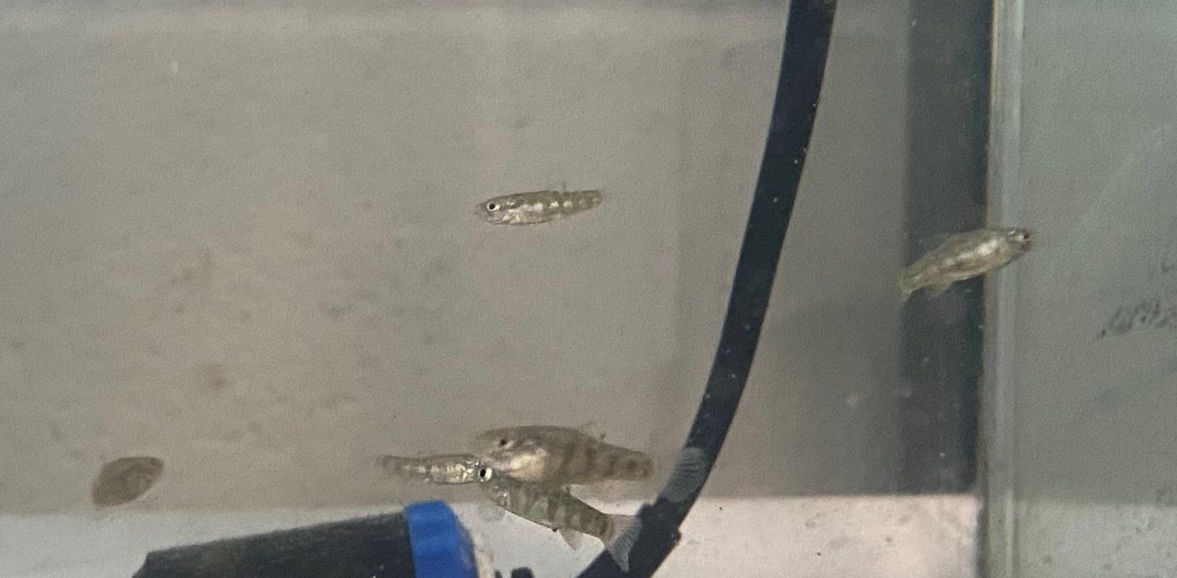 Precious eggs from a rare Mexican fish species, the boxer pupfish, successfully hatched thanks to the work of our dedicated ectotherm experts. More than 29 eggs that arrived from ZSL Whipsnade Zoo hatched successfully, as part of efforts to safeguard the species that is thought to be extinct in the wild. One of seven pupfish species native to Lake Chichancanab in Mexico, concerns about their existence are growing as surveys have not recorded a population there for over two years.
Also in February, members of our UK and Equatorial Guinea teams travelled to Kenya to join a “Trainer-of-Trainers” course led by Save the Elephants. Over three days, they gained hands-on experience in elephant behaviour, deterrent methods and community engagement. They also learned about beehive-fence techniques, a vital tool for human-elephant coexistence that we’re now using in Equatorial Guinea.
March
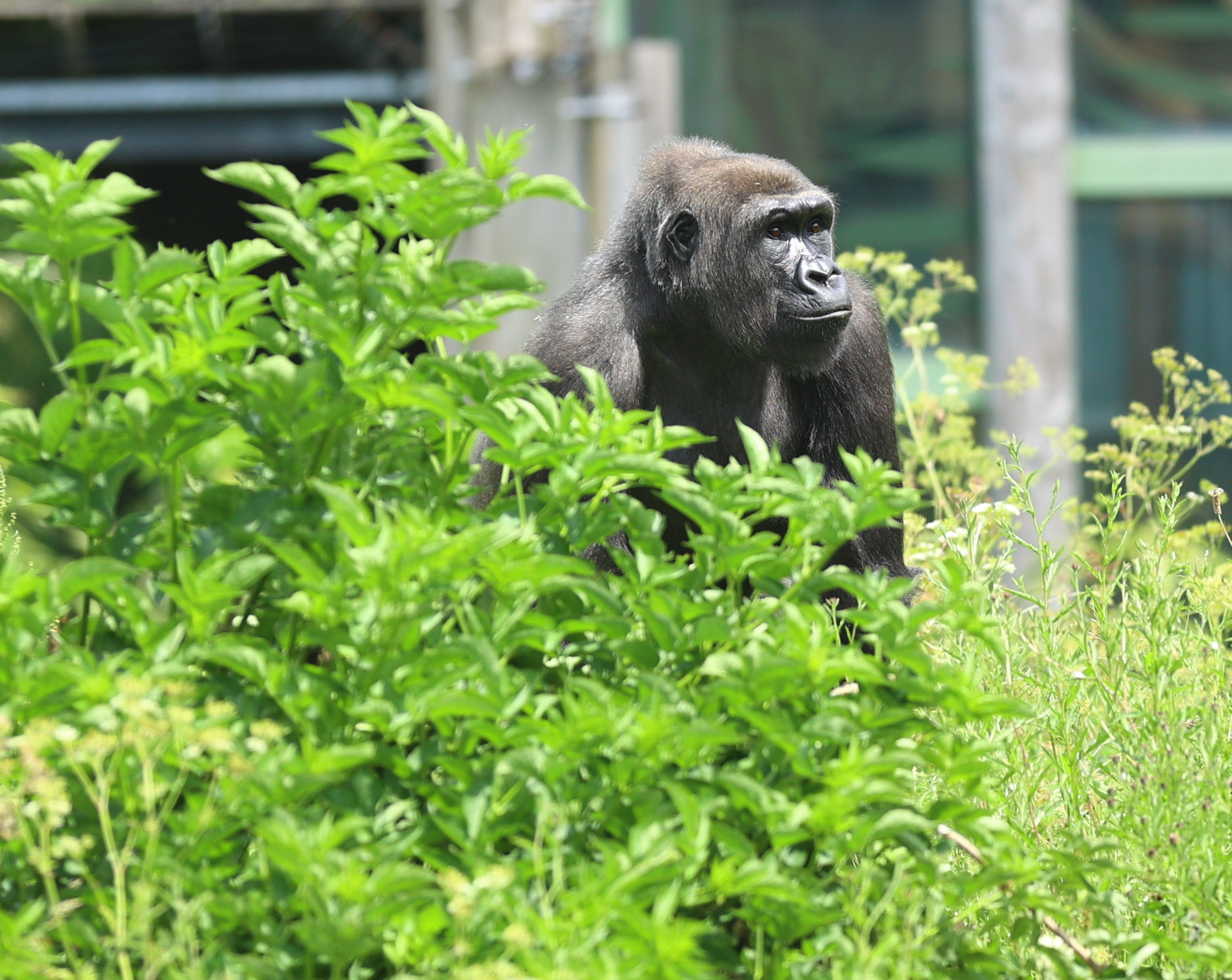 Photo credit: Verity McGuire
Construction was well underway for African Forest, future home of threatened species including our troop of Critically Endangered western lowland gorillas, Endangered cherry-crowned mangabeys, Critically Endangered slender-snouted crocodiles, Endangered African grey parrots and several extremely threatened species of West African freshwater fish. By March, the steel frames for the gorilla and mangabey house, as well as crocodile and parrot facilities, were up. The moat excavation had also begun, as a new home for global conservation took shape.
Also in March, our Native Species conservation team recorded their monitoring efforts through cutting-edge technology. The team installed Passive Acoustic Monitoring (PAM) devices to track birds and bats in our ancient woodlands, helping us better understand the biodiversity at Bristol Zoo Project and monitor species of conservation concern.
April
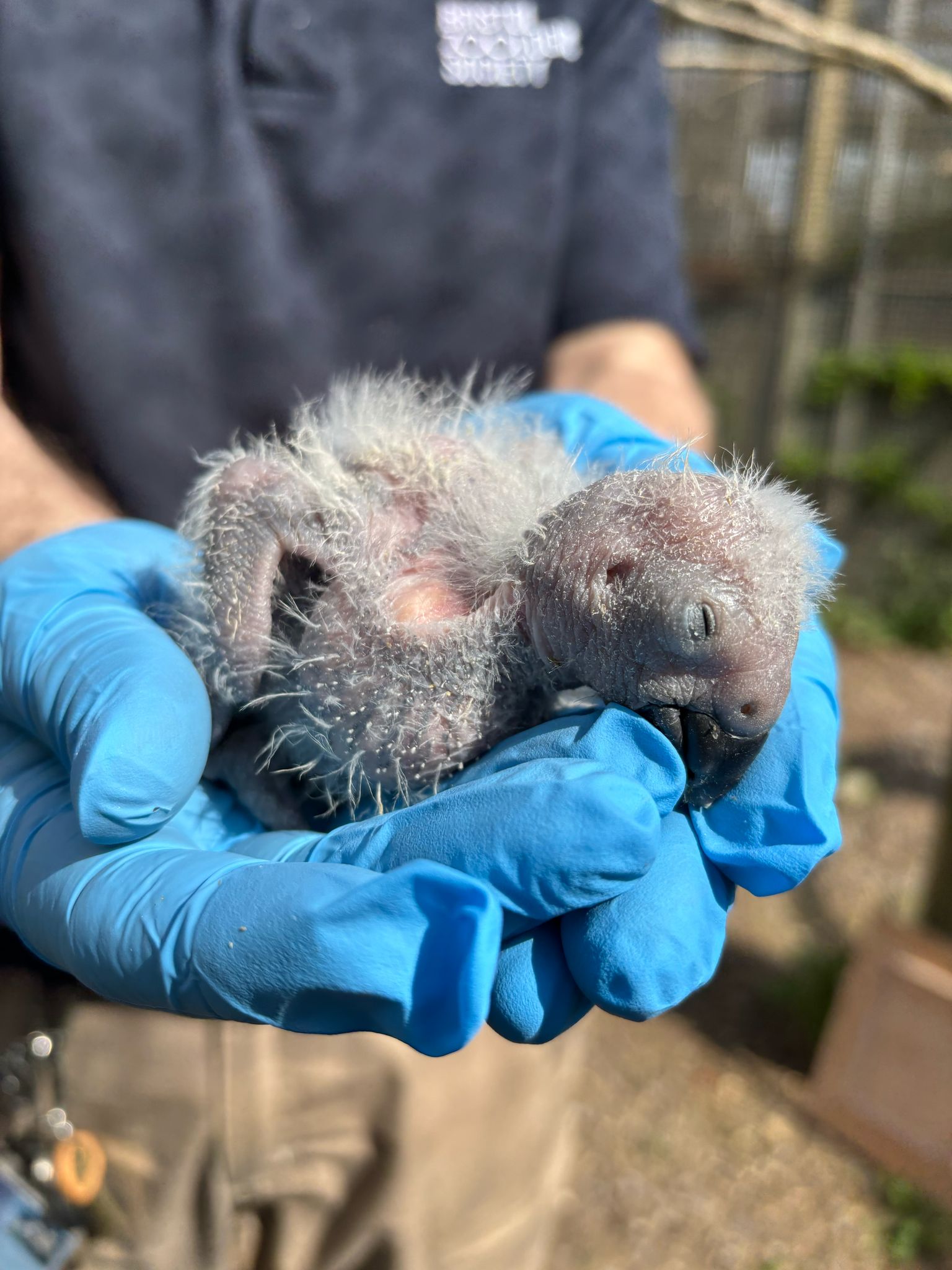 In April, three Endangered African grey parrot chicks hatched at Bristol Zoo Project. Their parents had been rescued from the illegal pet trade a few years ago. These clever, sociable birds, now part of our flock, will soon move into the African Forest habitat, acting as ambassadors for their species and raising awareness about threats from trafficking and habitat destruction.
May
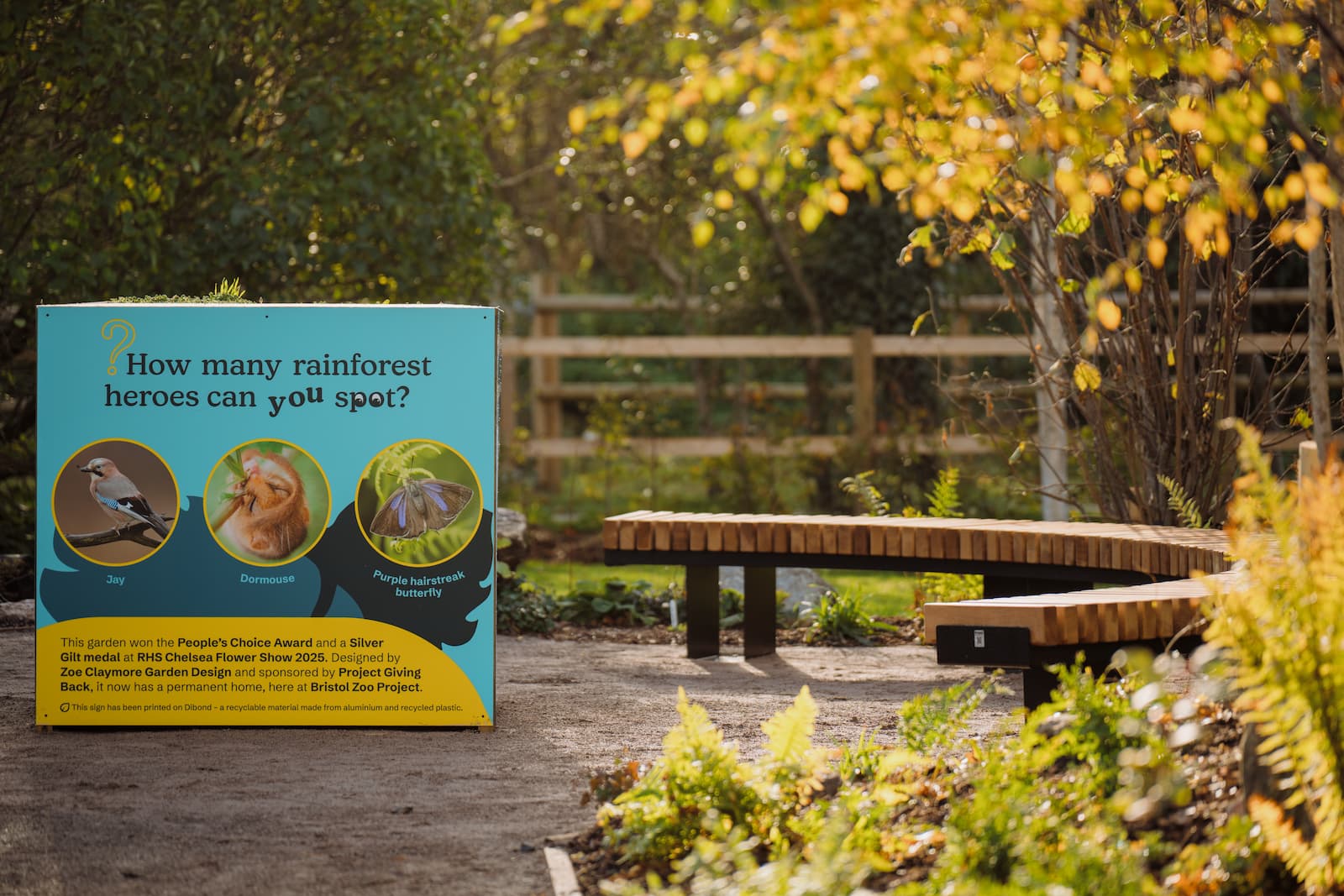 After dazzling visitors at the 2025 RHS Chelsea Flower Show, the award-winning British Rainforest Garden announced its permanent home at Bristol Zoo Project. Inspired by the ambitious 100-year mission of The Wildlife Trusts and Aviva, this living classroom was opened to the public later in the year and invites visitors to experience the magic of temperate rainforest, right here in the UK, and learn about native habitat restoration.
June
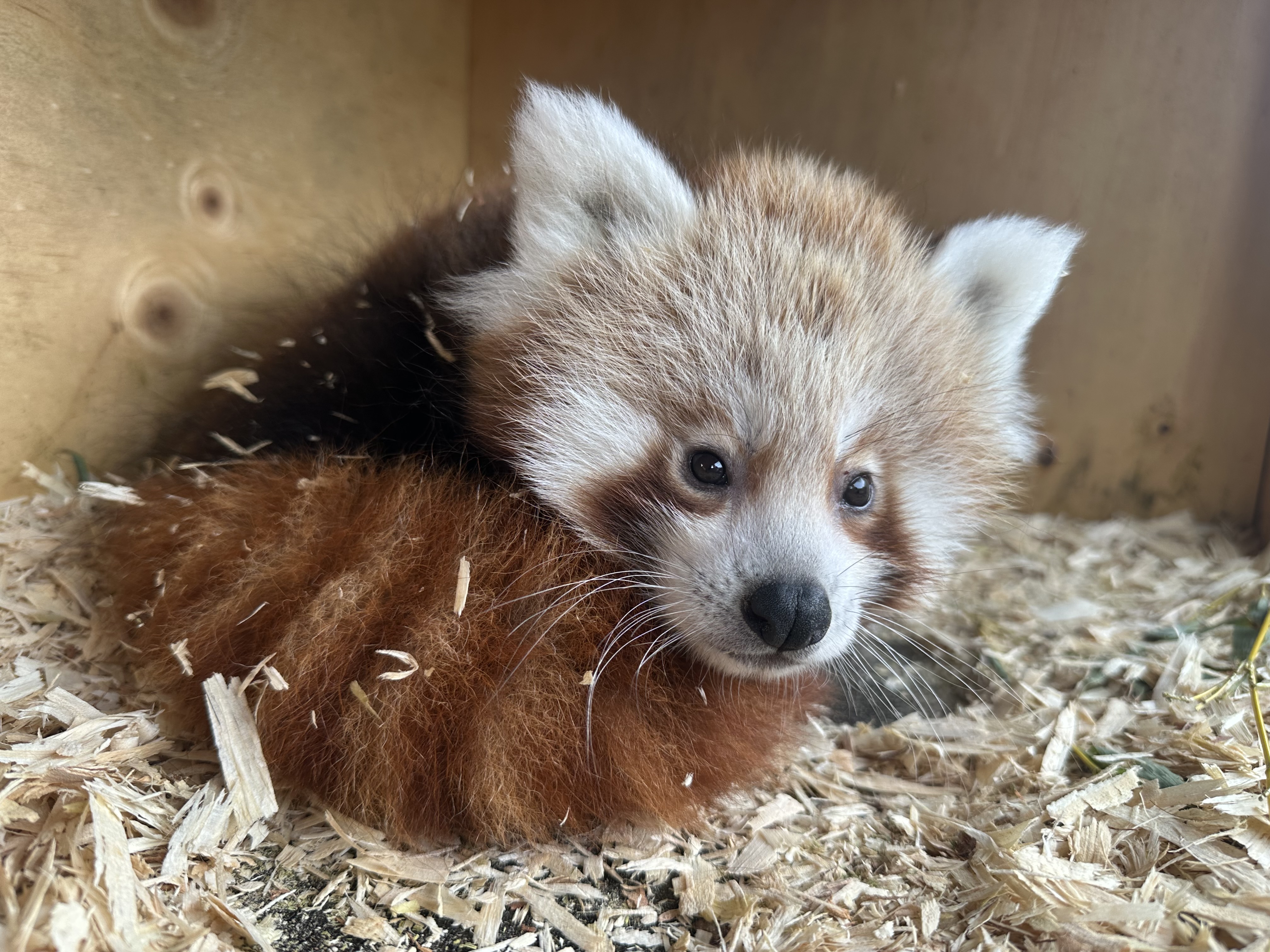 Photo credit: Natalie Kent
In June, we welcomed a precious new arrival, a baby red panda cub, born to first-time parents Neora and Laya. The birth was a huge win for this highly threatened species, currently classified as Endangered by the International Union for Conservation of Nature (IUCN). As few as 2,500 individuals are estimated to remain in the wild, threatened by habitat loss and poaching.
This month, we also won five industry awards for our work to conserve and protect the world’s most threatened species. Recognised by the UK sector’s leading body, BIAZA (British and Irish Association of Zoos and Aquariums), the Society was recognised for our international field conservation projects, as well as our research work, animal welfare standards, and keeper skill-sharing efforts.
July
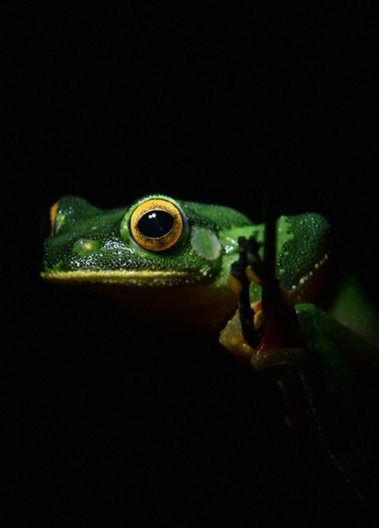 This month, MRes student Leo Lasrado shared his findings from amphibian surveys carried out in the Sahamalaza‑Iles Radama National Park (north-west Madagascar), the first of its kind in over a decade. Using both acoustic devices and visual surveys, the group recorded 21 frog species across different forest fragments, including the Critically Endangered Ankarafa skeleton frog, Boophis ankarafensis, and tree-frog Boophis tsilomaro, underlining how precious and fragile the island’s biodiversity is.
Even more exciting, the team identified two frog species that may be new to science, which is a reminder of how much remains undiscovered in Madagascar’s rainforests.
These findings provide a new baseline against which to monitor amphibian populations and help shape future conservation efforts to protect rare species, learn where they live, and preserve the ecosystems they rely on.
August
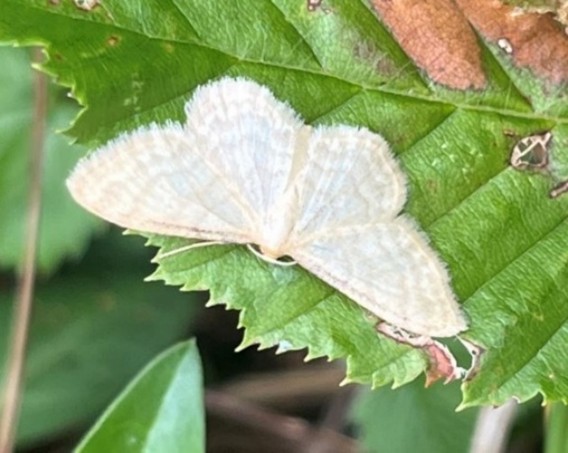 This summer, we undertook key surveys on the silky wave moth, one of the rarest insects in the UK, and confined to just one site in England – in Bristol's Avon Gorge and Downs. In all, 356 individuals were recorded, over twice as many as last year and the highest total since 2012. Our Native Species team has been surveying the silky wave annually since 2011, and the results emphasise how important it is to continue annual monitoring and habitat management, especially while climate and land-use pressures keep evolving. With continued restoration, careful management, and sustained monitoring, the Avon Gorge can remain a stronghold for one of Britain's rarest moths.
September
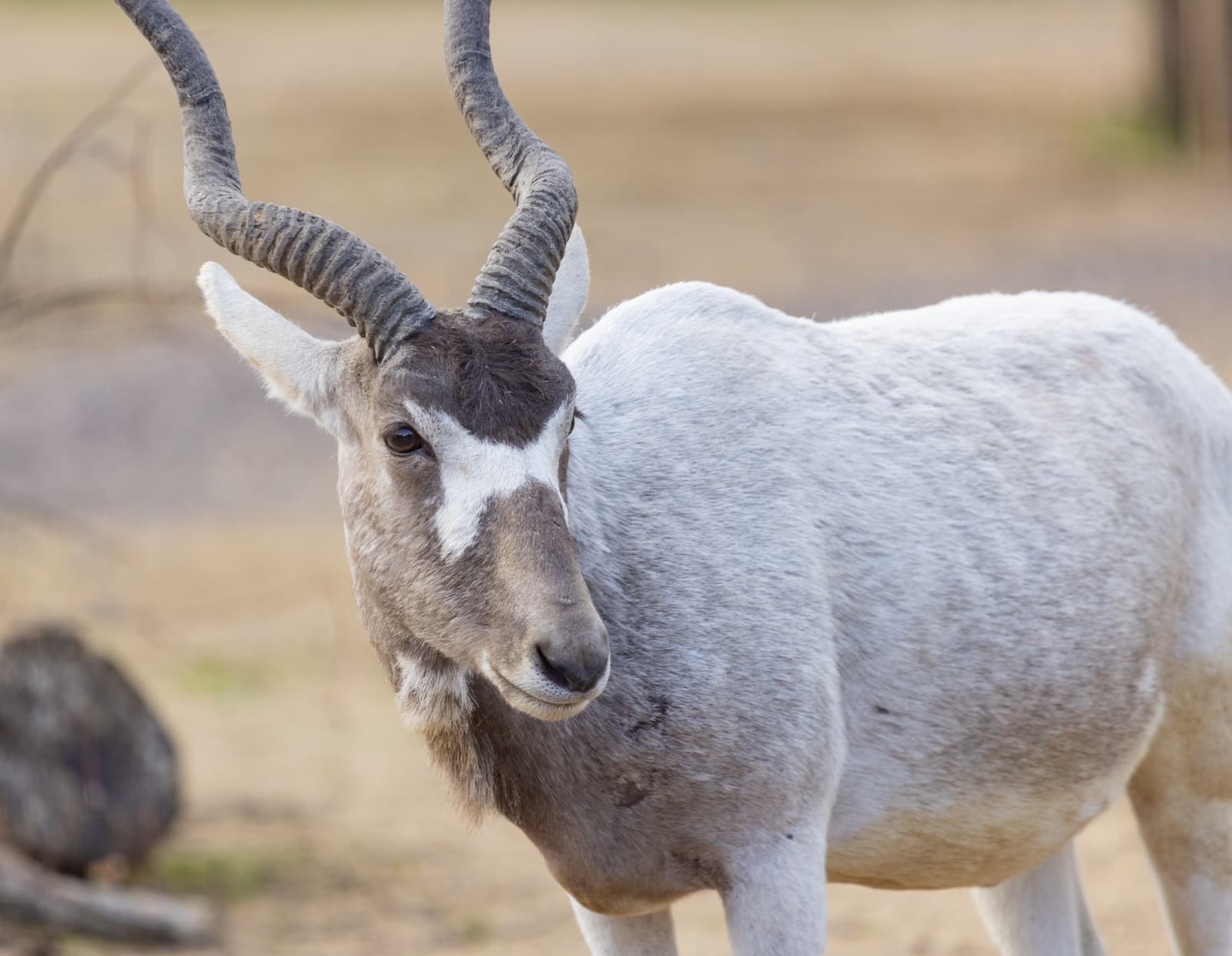 Photo credit: George Cuevas
In September, we welcomed two new male Critically Endangered addax, named Phoenix and Nico. With fewer than 100 remaining in the wild, addax are an antelope species that are adapted to living in extreme desert temperatures. They have been classified as Critically Endangered by the IUCN since 2000 and face an extremely high risk of extinction due to a number of threats, including overhunting for meat and leather, habitat loss from oil exploration, habitat degradation, and competition with livestock in the Sahelo-Saharan region.
Visiting Bristol Zoo Project means you can get close to these rare antelope and help support global conservation efforts for desert-adapted species.
October
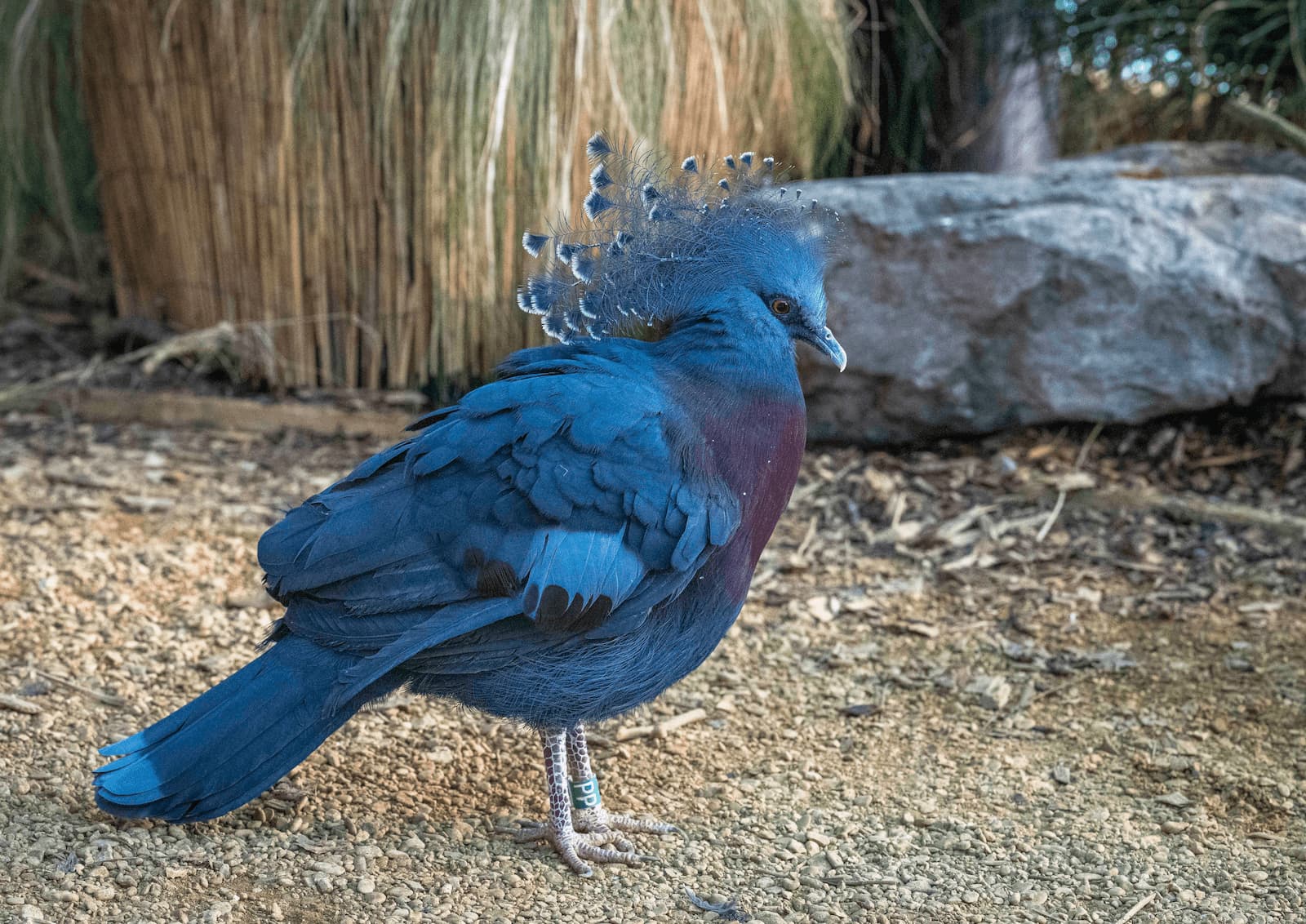 Photo credit: Doug Lodge
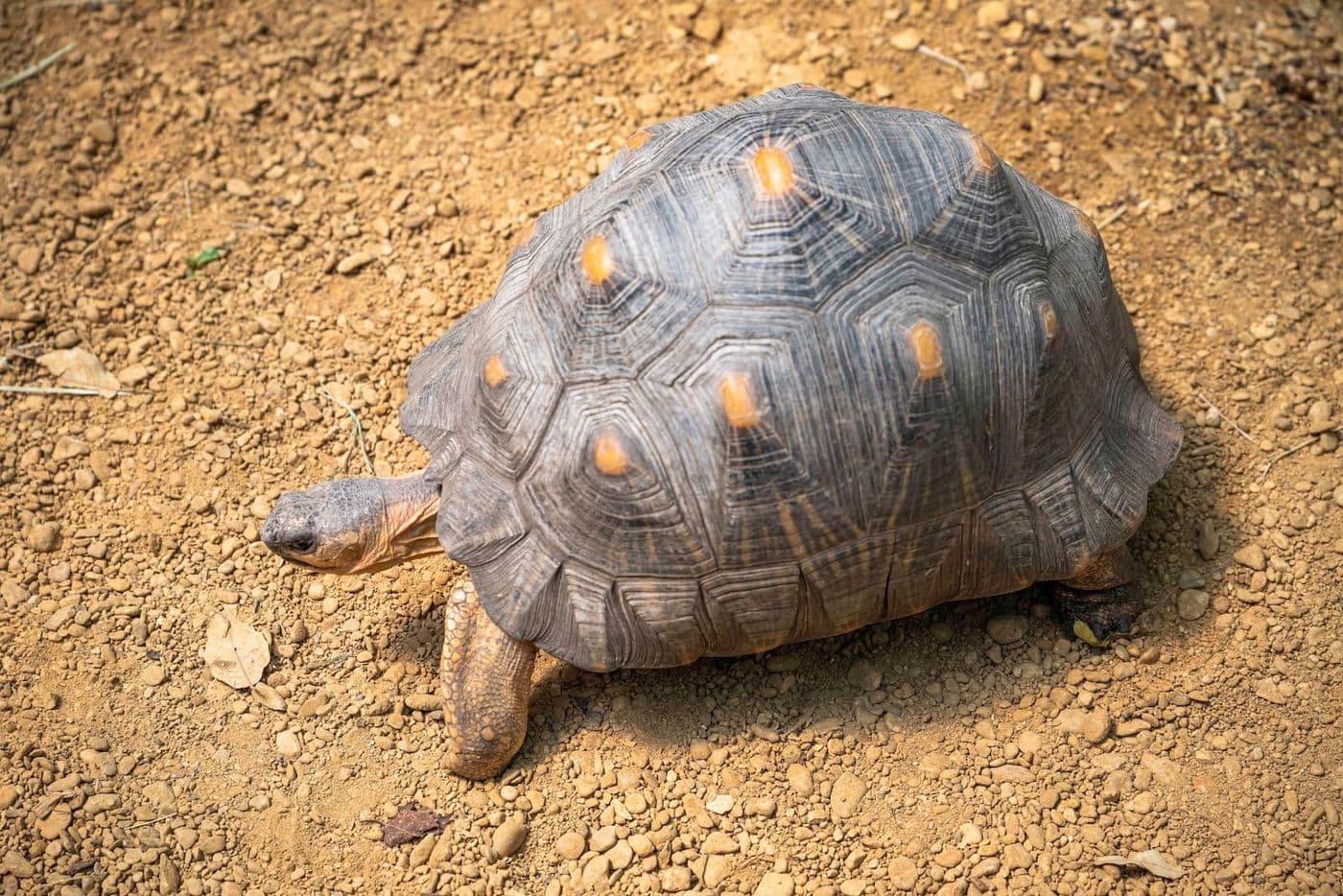
Our brand-new Tropical House, home to 13 forest-dwelling species, from beautiful birds to tiny mouse deer, opened to the public. The new habitat represents the tropical forests of Tanzania, Madagascar and the Philippines, where we carry out conservation in the wild. Across these countries, we monitor species and protect their habitats. Many species call this habitat home, including Philippine mouse deer, superb fruit dove, Mindanao bleeding-heart dove, radiated tortoise, and turquoise dwarf gecko.
November
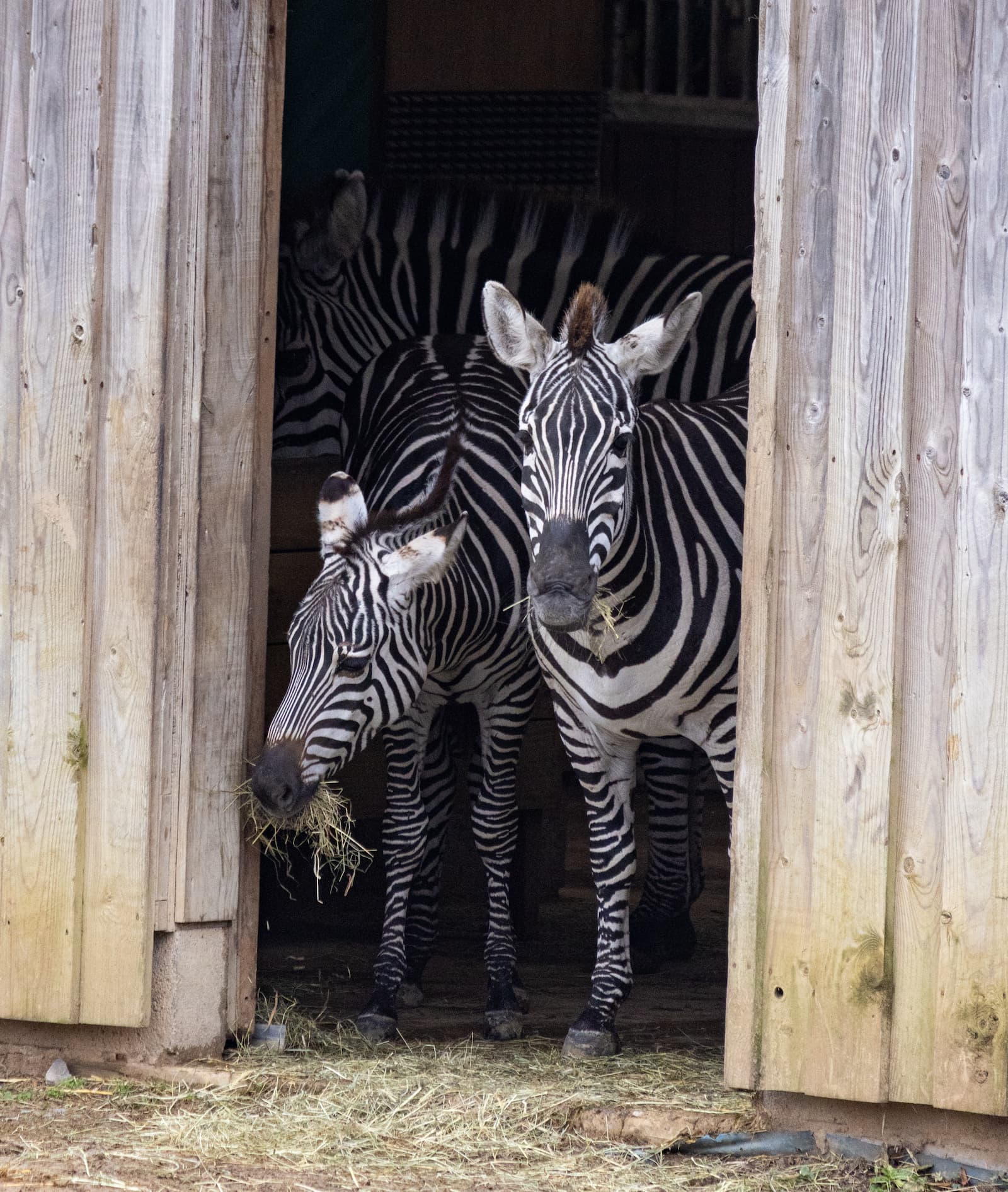 Photo credit: George Cuevas
November saw the welcome arrival of two new female Grant's zebras to Bristol Zoo Project, Safi and Haezal, arriving from Burgers’ Zoo in the Netherlands.
They quickly settled into their new home and enjoyed exploring their new habitat alongside our male zebra, Peter. Grant’s zebras are listed as Near Threatened by IUCN, and their wild populations face pressures from habitat loss and illegal hunting in Central Africa. Thanks to your support, Safi and Haezal now help ensure the continued care and conservation of their species, giving Peter companionship after the sad loss of our previous female zebra, and helping preserve genetic diversity for a species that needs our help.
December
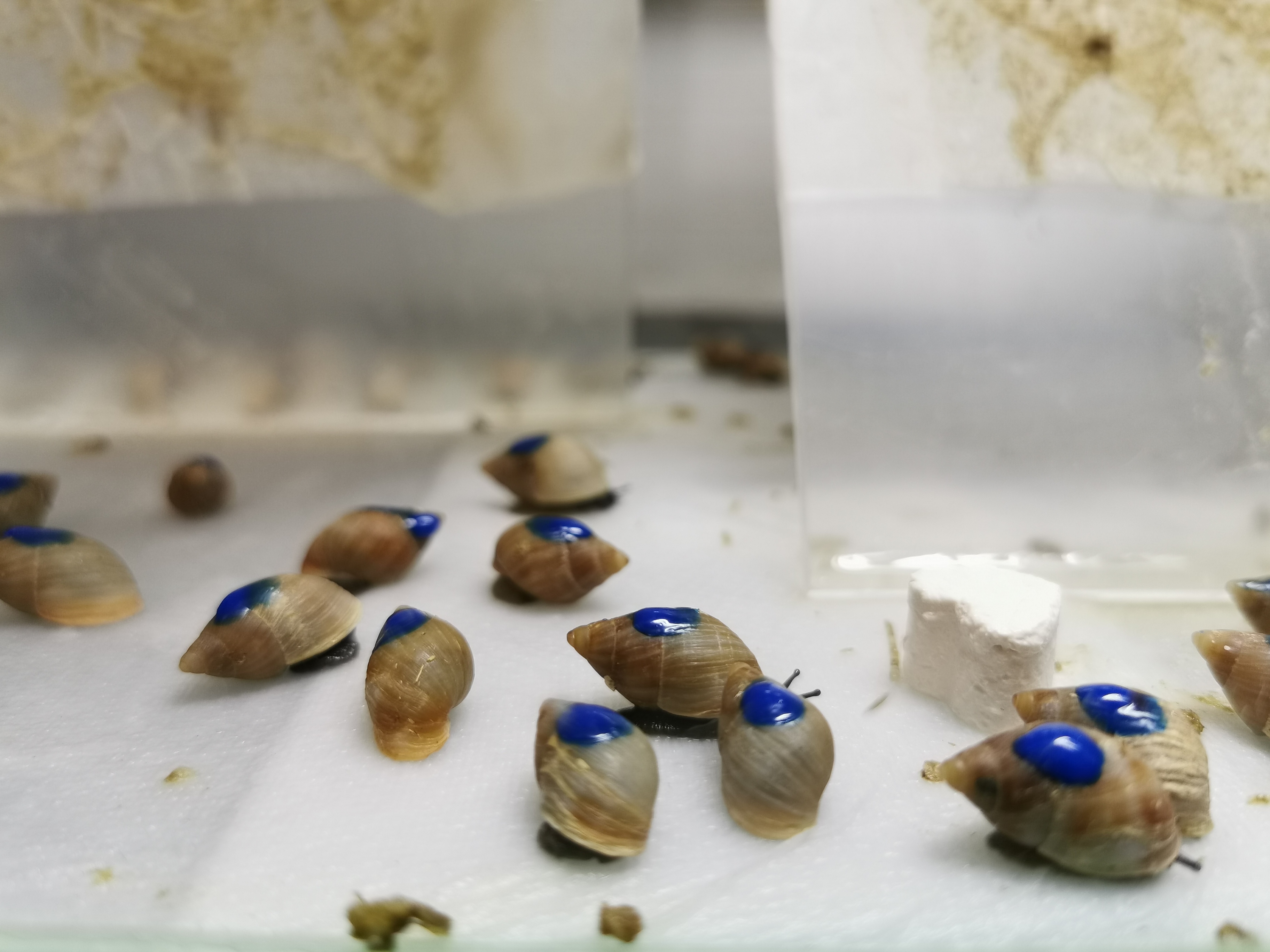 We’re proud to have played a part in the annual reintroduction of zoo-bred Extinct-in-the-Wild and Critically Endangered Partula snails, which has resulted in 7,000 snails being returned to four islands this month, the largest release of the group of finger-nail-sized snail species and subspecies to date. Working with over 12 other zoos, the snails are part of a carefully managed reintroduction programme, which has coordinated the release of almost 40,000 snails over the last decade.
All of this wouldn’t have been possible if it weren’t for your generous support, and for that we want to say a big thank you!
Want to help us save wildlife?
Our wildlife conservation charity protects threatened species and habitats around the world, and you can help!
Join a growing group of caring people like you, committed to saving the animals you love, with a one-off or monthly donation.