

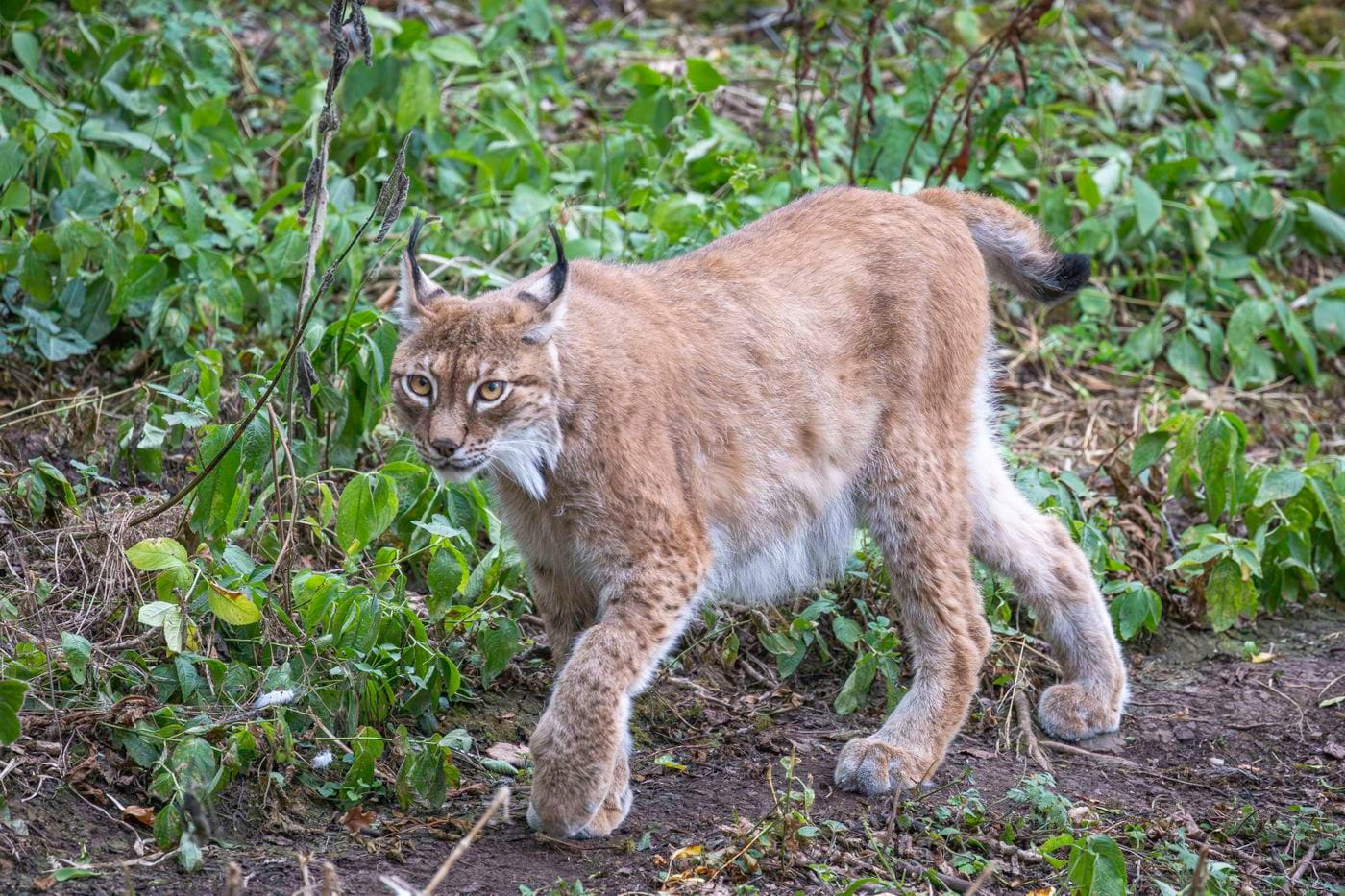
7 surprising facts about lynx
Posted on: 17 December, 2025
Quiet, mysterious, and rarely seen, lynx are some of the most intriguing wild cats on earth.
Known for their silent footsteps, striking ear tufts and incredible adaptability, these shy forest hunters are full of surprises. Yet, despite their charm, many lynx species remain vulnerable or endangered in parts of their range.
Bristol Zoo Project is home to a male and female Eurasian lynx; Zone and Loka. They live in our award-winning Bear Wood habitat alongside the bears, wolves and wolverines. To celebrate these remarkable cats, here are seven surprising facts you might not know.
 Photo credit: Doug Lodge
1. They wear natural “snowshoes”
Many lynx species live in regions with deep winter snow, and they’ve evolved the perfect footwear to match. Their paws are extra-large, wide and naturally webbed, allowing them to spread their weight evenly, almost like built-in snowshoes. This clever adaptation helps them move swiftly across soft snow to stalk their prey without sinking.
2. They are born to blend in
Perfectly adapted to their surroundings with beautifully patterned coats of spots, flecks and sometimes stripes, lynx blend effortlessly into dense woodland and rocky terrain. Each individual has a unique fur pattern, just like a human fingerprint, which allows researchers to identify individuals in the wild. Their coats are also incredibly thick. While humans average around 200 hairs per cm², lynx can have up to 9,000 hairs per cm². This dense layering traps warm air close to the body, keeping the lynx well-insulated even in harsh winter climates that drop far below freezing.
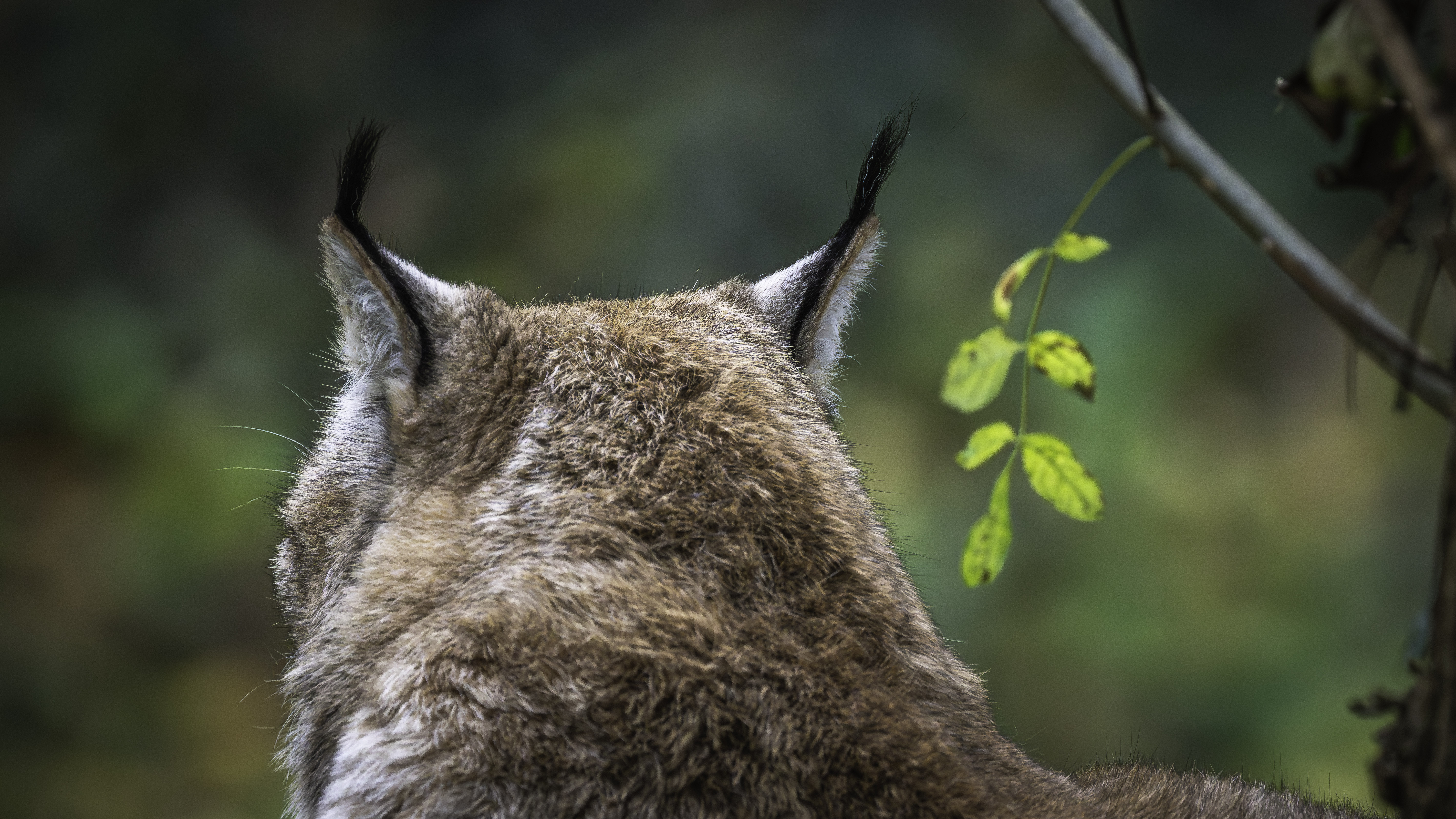 Photo credit: Doug Lodge
3. Ear tufts with a purpose
There are four subspecies of lynx: Eurasian lynx, Canada lynx, Iberian lynx, and bobcat, and they all share those iconic black ear tufts. Often up to 4 cm long, they are more than just stylish features and could be high-tech tools. While scientists still don’t fully understand their purpose, it’s widely believed they enhance hearing and help the lynx judge wind direction. For a predator that relies on stealth, knowing where scents and sounds are travelling can give them a significant hunting advantage. The tufts are thought to help focus sound waves into the lynx’s ears,
4. They often prefer the solo life
Lynx usually choose to live alone. They maintain large territories and tend to avoid each other; however, sometimes a small group might travel and hunt together. Mating season is brief and occurs in late winter. After a roughly 70-day pregnancy, a female gives birth to one to four kittens. These youngsters stay with their mother for about nine months, learning to hunt and survive before setting off to establish territories of their own. Lynx dens are usually found in rocky crevices, thick vegetation or under natural ledges.
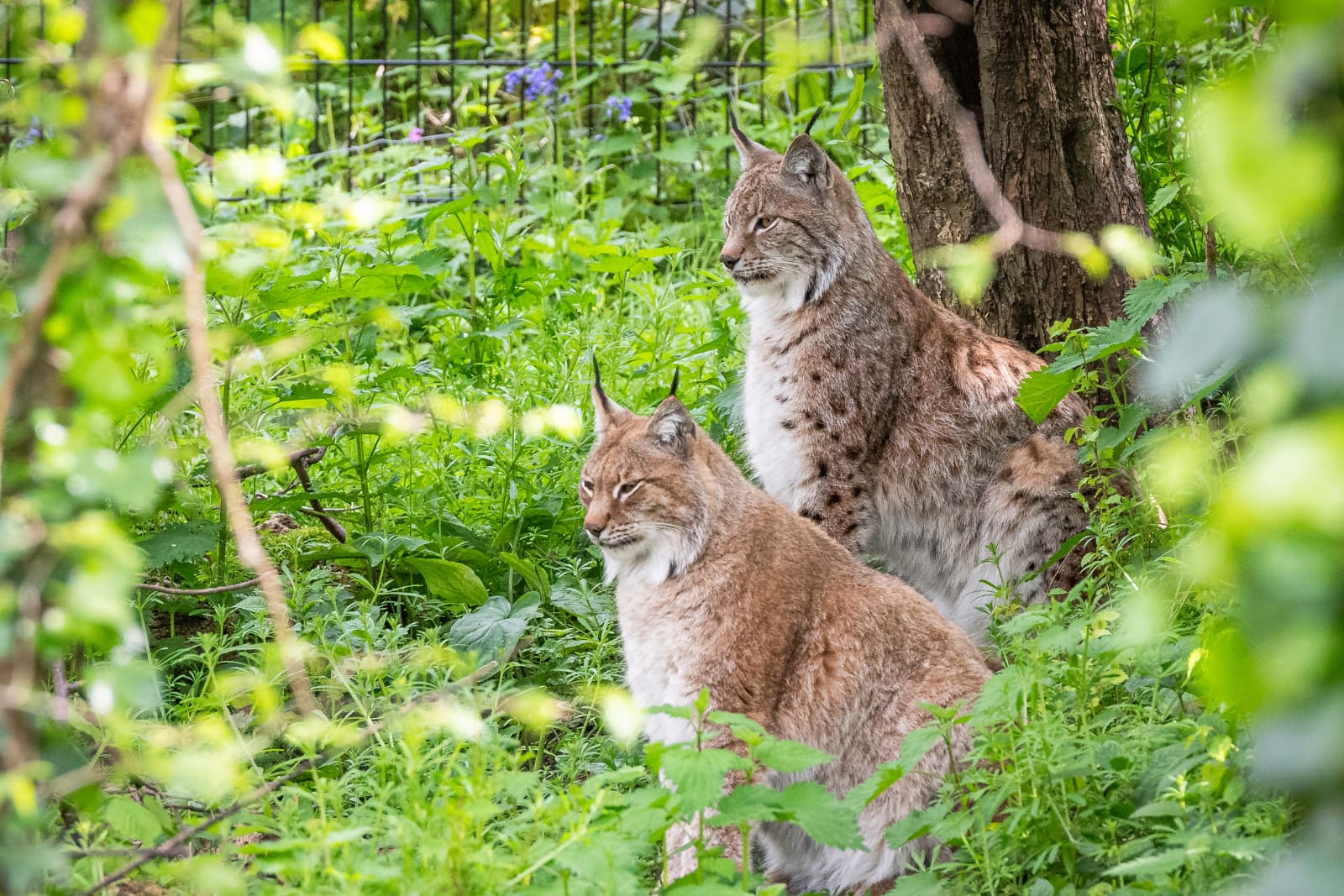 Photo credit: Doug Lodge
5. A hunter with varied tastes
Lynx are versatile hunters and eat many different animals. Depending on the subspecies and habitat, their diet can include reindeer, roe deer, hares, foxes, birds, squirrels, and even fish. They also hunt rabbits and small rodents. Thanks to their keen senses and silent movement, lynx can ambush prey much larger than themselves. They tend to hunt primarily at dusk and night, killing their prey with a powerful throat bite
6. A short tail with a purpose
Lynx are known for their stump-like tails, which are usually less than 20 cm long. These short tails are less likely to get frostbitten in cold climates and help the lynx conserve body heat. Although short, the tail is still used for visual signals, including mood changes, alertness and the black tip acts as a signal between mothers and kittens in thick vegetation, low light or snowy environments.
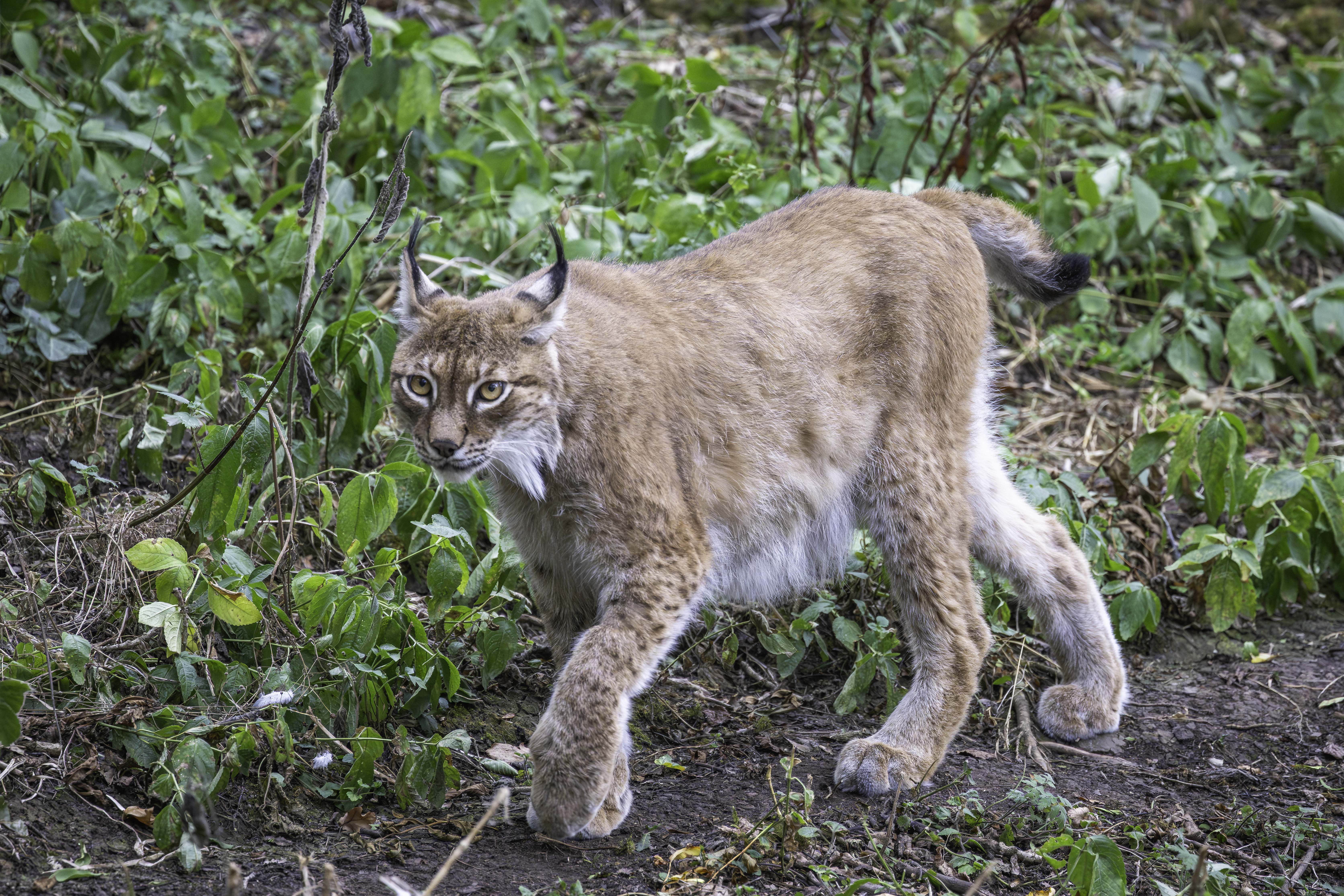 Photo credit: Doug Lodge
7. Lynx are not as silent as you think
Although they are quiet most of the time, lynx have an impressive vocal range. They can purr like domestic cats and produce loud yowls, growls and caterwauling calls that echo through forests at night during the mating season. These dramatic sounds help males and females find each other across huge territories. They hiss as a warning sign when they feel threatened and may produce short, rapid chirps or chatters during play, hunting excitement, or curiosity.
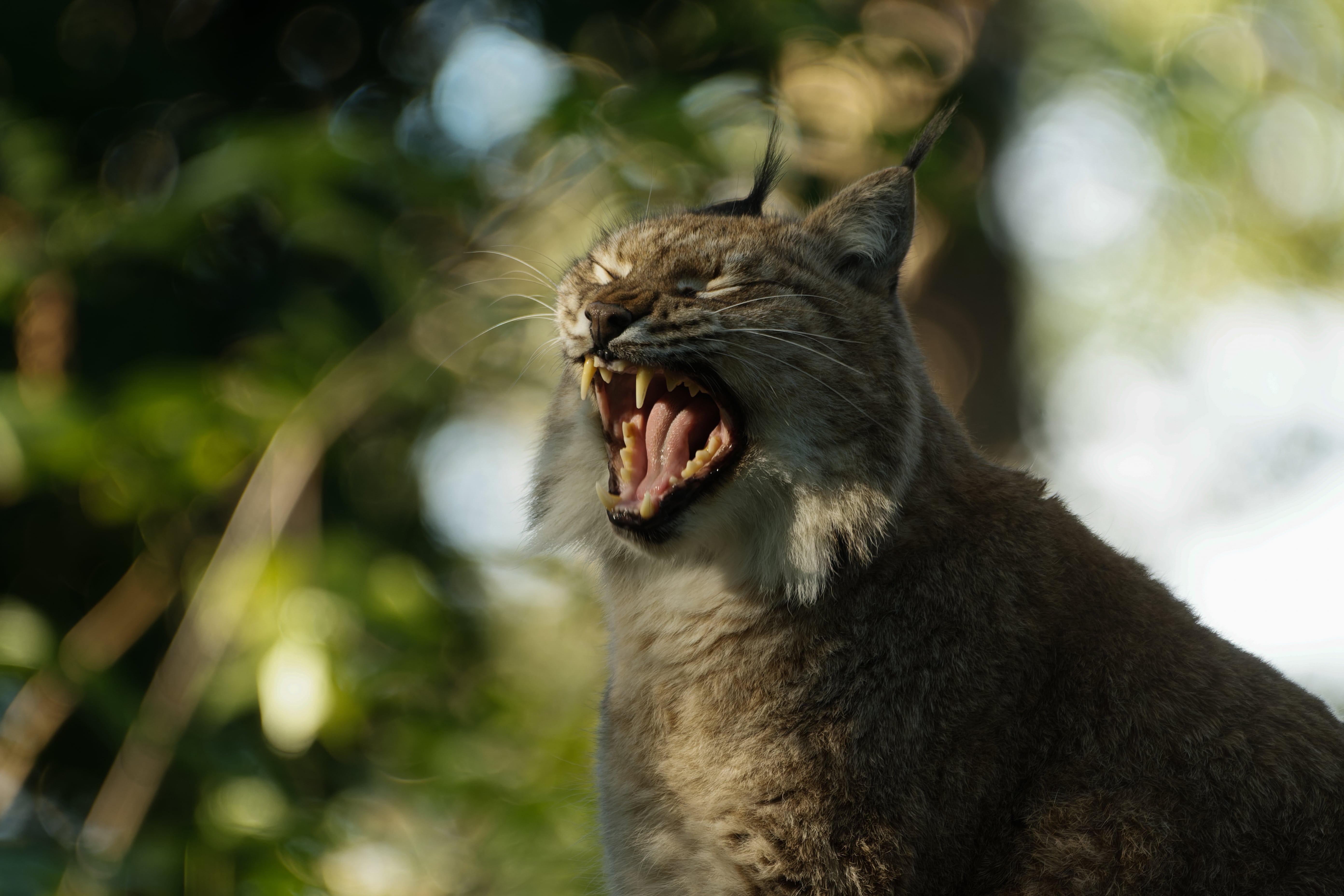 Photo credit: Katie Horrocks
Lynx play a crucial role in forest ecosystems. As apex predators in many of their habitats, they help to keep prey populations, especially deer, at healthy levels. This slows overgrazing and allows forests to regenerate naturally. In areas where lynx have returned, scientists have observed positive impacts on woodland health, biodiversity and even soil quality.
Through our conservation and education charity, Bristol Zoological Society, we run Bristol Zoo Project, which is located off Junction 17 of the M5. Every visit supports our mission to protect nature now and into the future here in the UK and around the world.
You can meander through our ancient woodland on a treetop walkway as you spot bears, wolves, wolverine, and our lynxes, Zone and Loka.